Read the Signals
Resting heart rate, breathing comfort and perceived effort can frame sensible decisions without turning every session into a test.

March 2026 Edition
Progress is not a louder workout; it is a clearer conversation between physiology, training load and everyday life.
Explore the training desk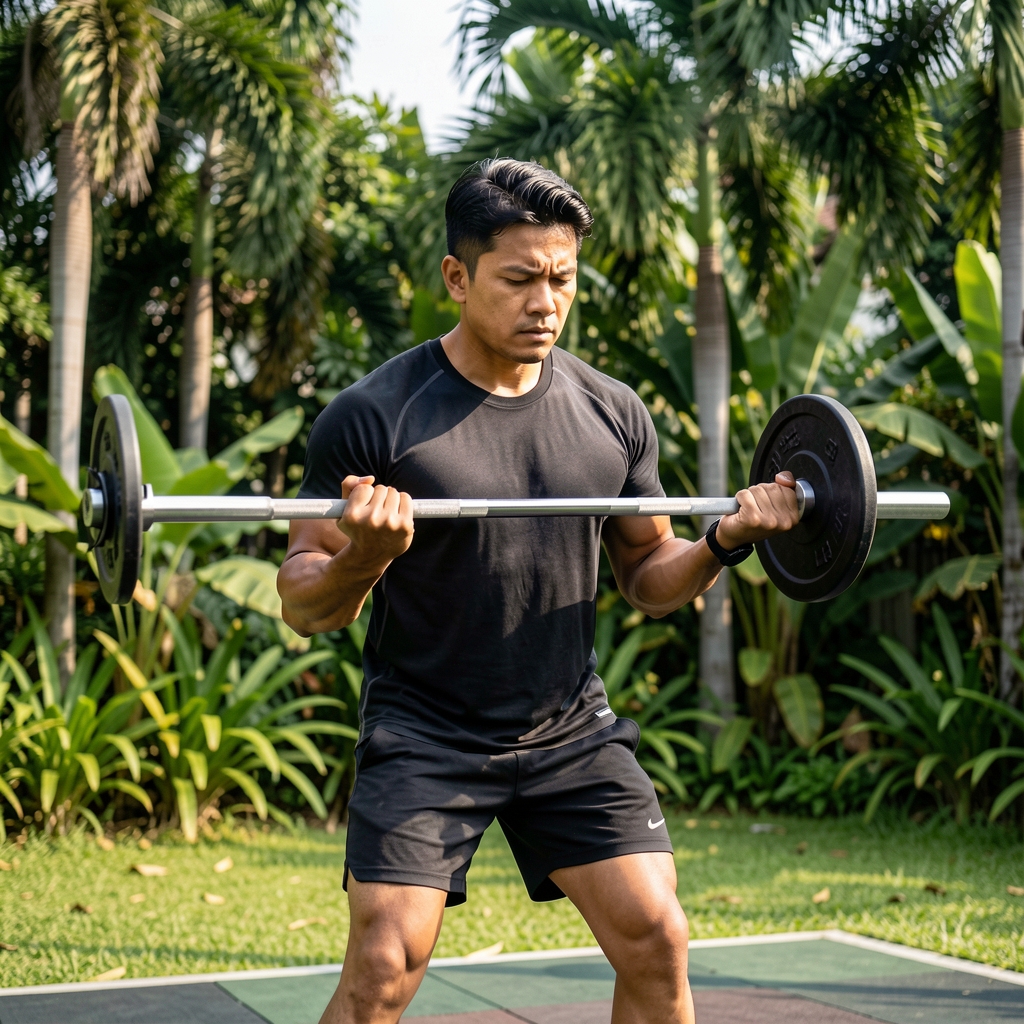
The Klymer framework
Resting heart rate, breathing comfort and perceived effort can frame sensible decisions without turning every session into a test.
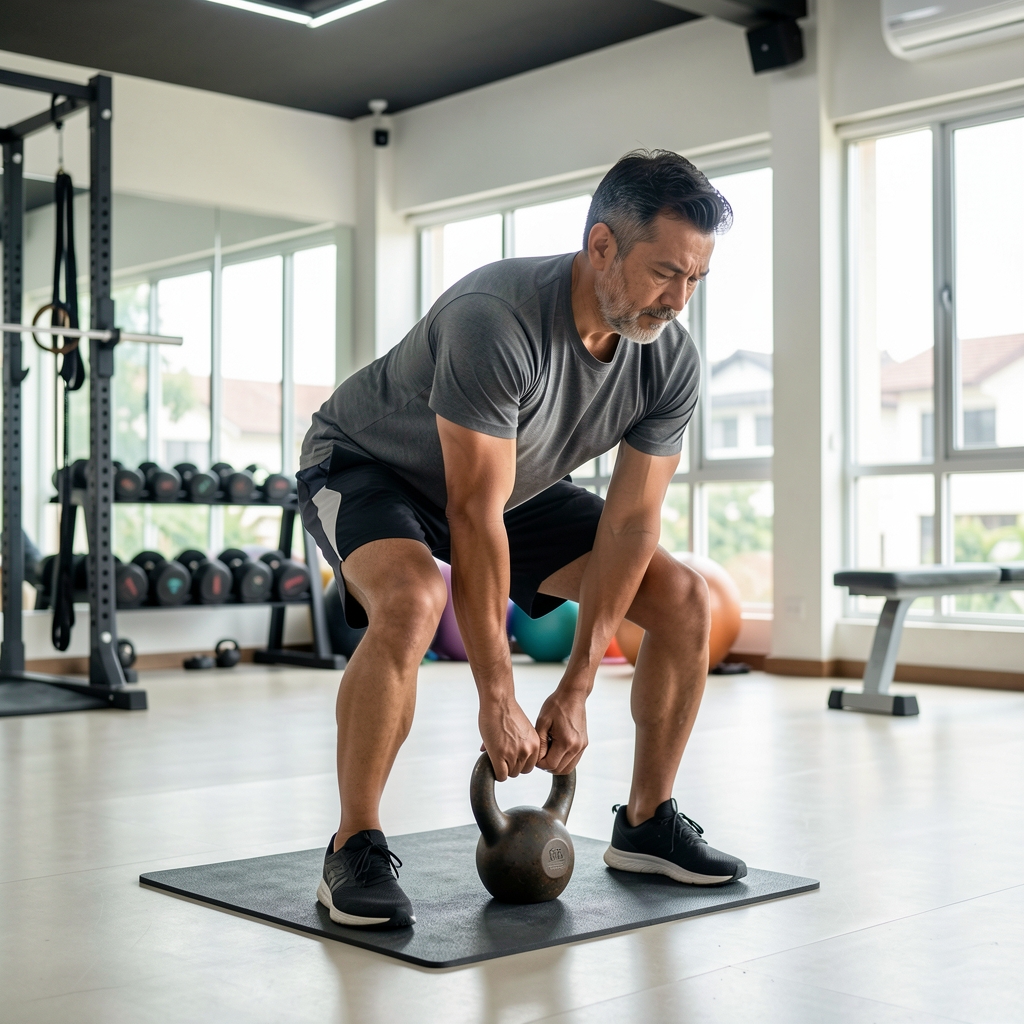
Explore movement patterns, progressive loading and adaptable sessions for shoulders, hips, trunk and the demands of daily life.
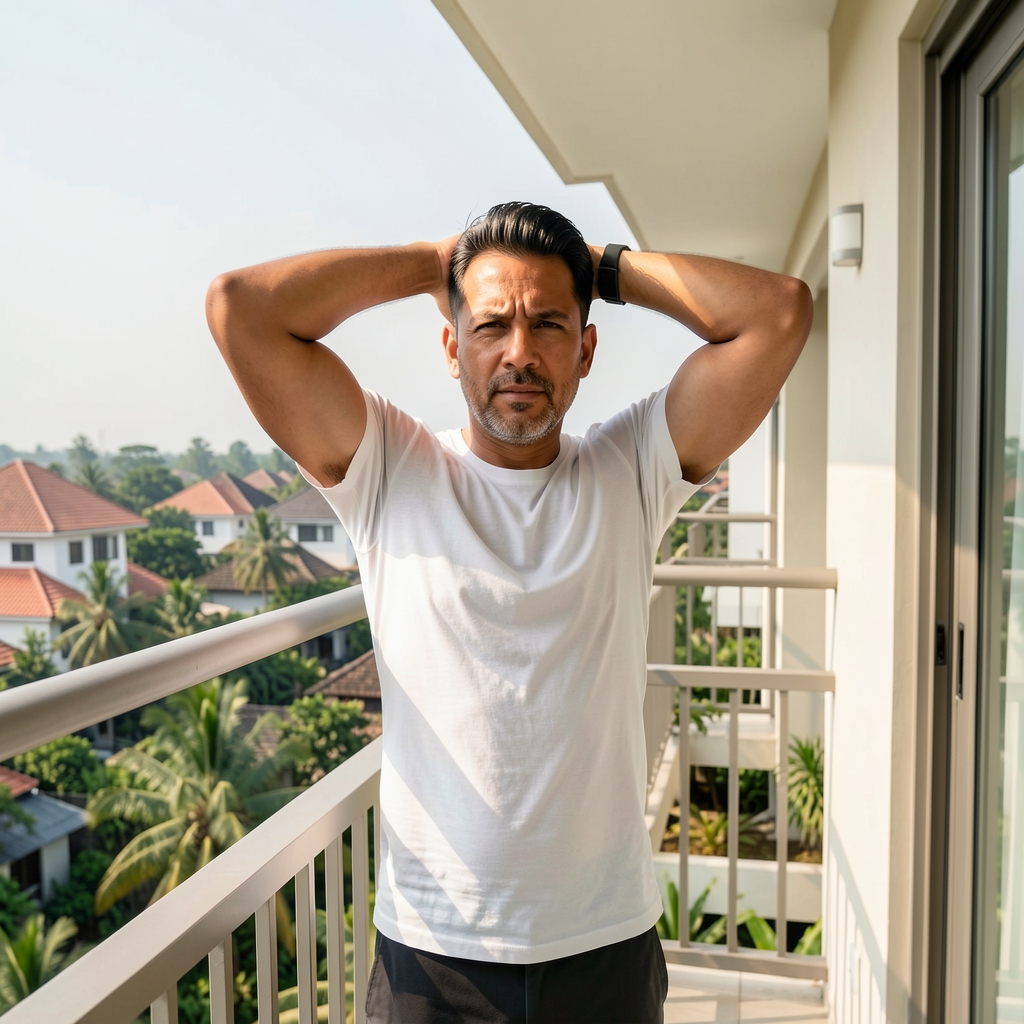
Sleep routines, low-intensity movement and thoughtful scheduling help make training compatible with work, family and Indonesian heat.

Field note 04
Cardiovascular work can be organised around conversation pace, repeatable routes and the weather of the day. This editorial approach keeps training observable and adjustable rather than treating one session as a verdict.
Read about pacing, warm conditions and practical session design for men balancing performance with a full calendar.
Read the endurance notesAt a glance
| Focus | Useful question | Typical starting point |
|---|---|---|
| Strength | Which movement pattern needs attention? | Controlled sets with generous rest |
| Endurance | Can the pace stay conversational? | Steady effort on a familiar route |
| Mobility | Where does range feel limited today? | Unhurried movement and breathing |
A repeatable process
Record how the body feels, how the schedule looks and what the environment asks of you.
Select a session that matches the available time, energy and movement priority.
Reflect on comfort, consistency and recovery before planning the next useful step.
“Training after 35 becomes less about collecting hard sessions and more about building a practice that can stay present through changing seasons of work, family and energy.”
— Klymer editorial desk, Jakarta, 2026
Common starting points
Begin with the time that is genuinely available, then choose a focused session rather than trying to recreate an ideal schedule.
Intensity is personal and context-dependent. Breathing comfort, technique and the ability to recover are helpful observations.
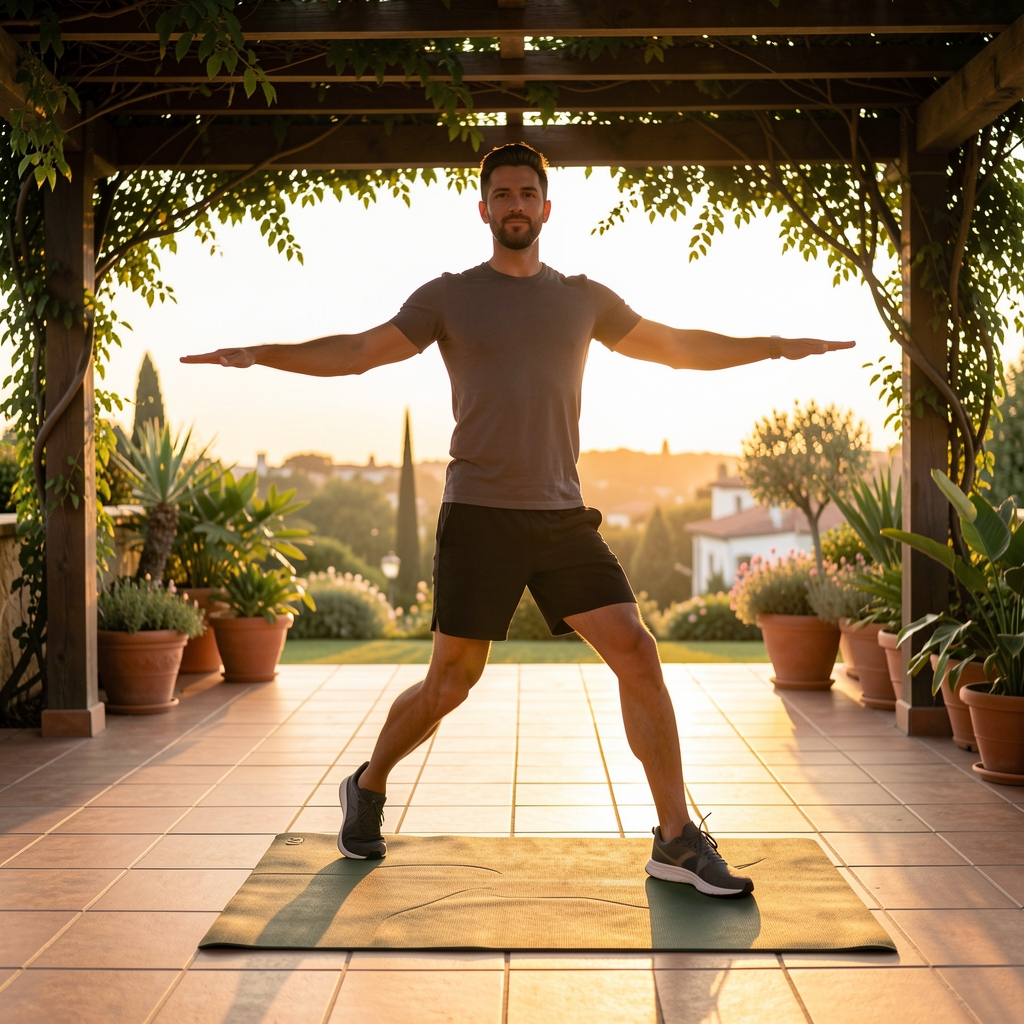
The mobility desk covers joint-friendly movement ideas, warm-ups and ways to pair mobility with strength work.
From the journal
How lighter movement can create space for observation, preparation and a more consistent week.
A practical look at small movement choices before, between and after formal training.
Editorial notes on regular meals, hydration context and the routines that support an active day.
Klymer in practice



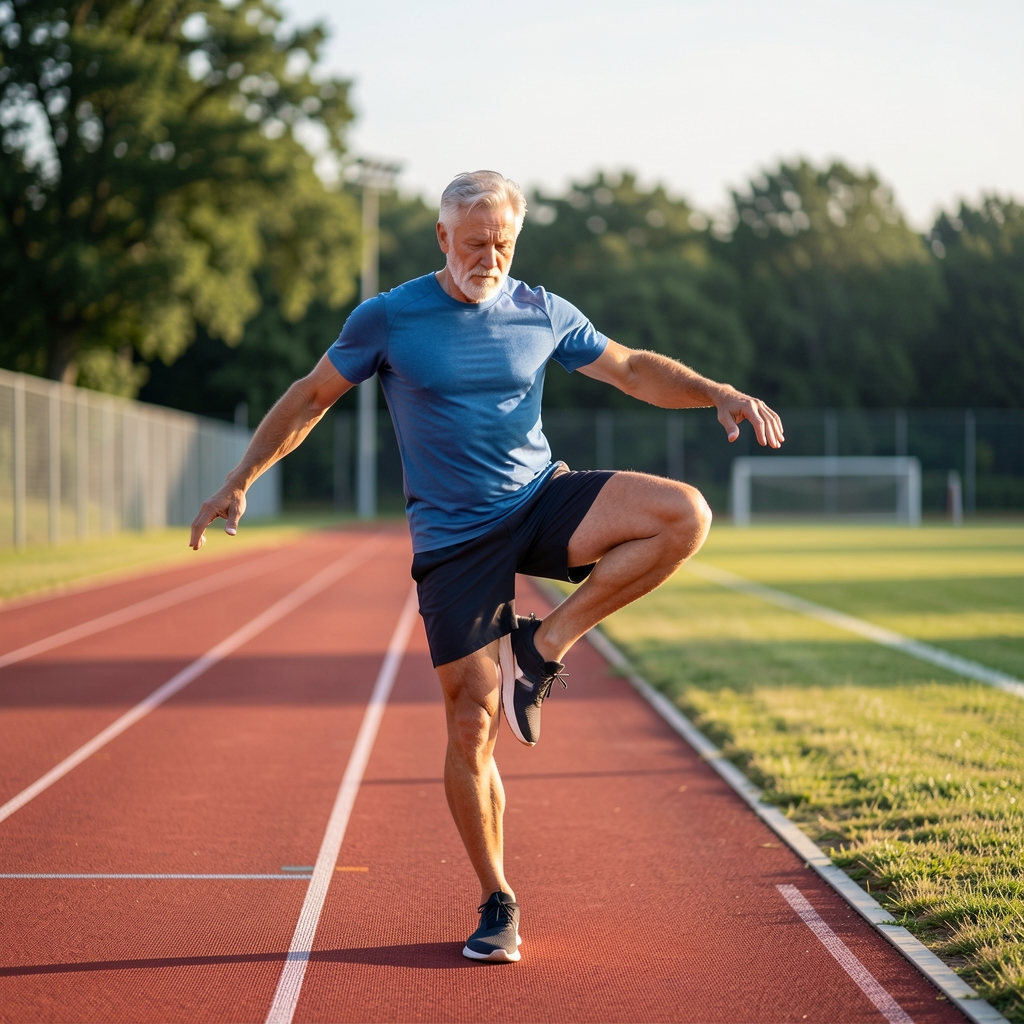

Continue the conversation
Browse the Klymer desks for measured guidance on physiology, endurance, strength, recovery and functional movement.
Browse all articles