Sleep
Look at regularity, duration and how alert you feel, rather than chasing a perfect score.
Recovery Desk
Rest is not a reward for training; it is the setting in which adaptation becomes possible.
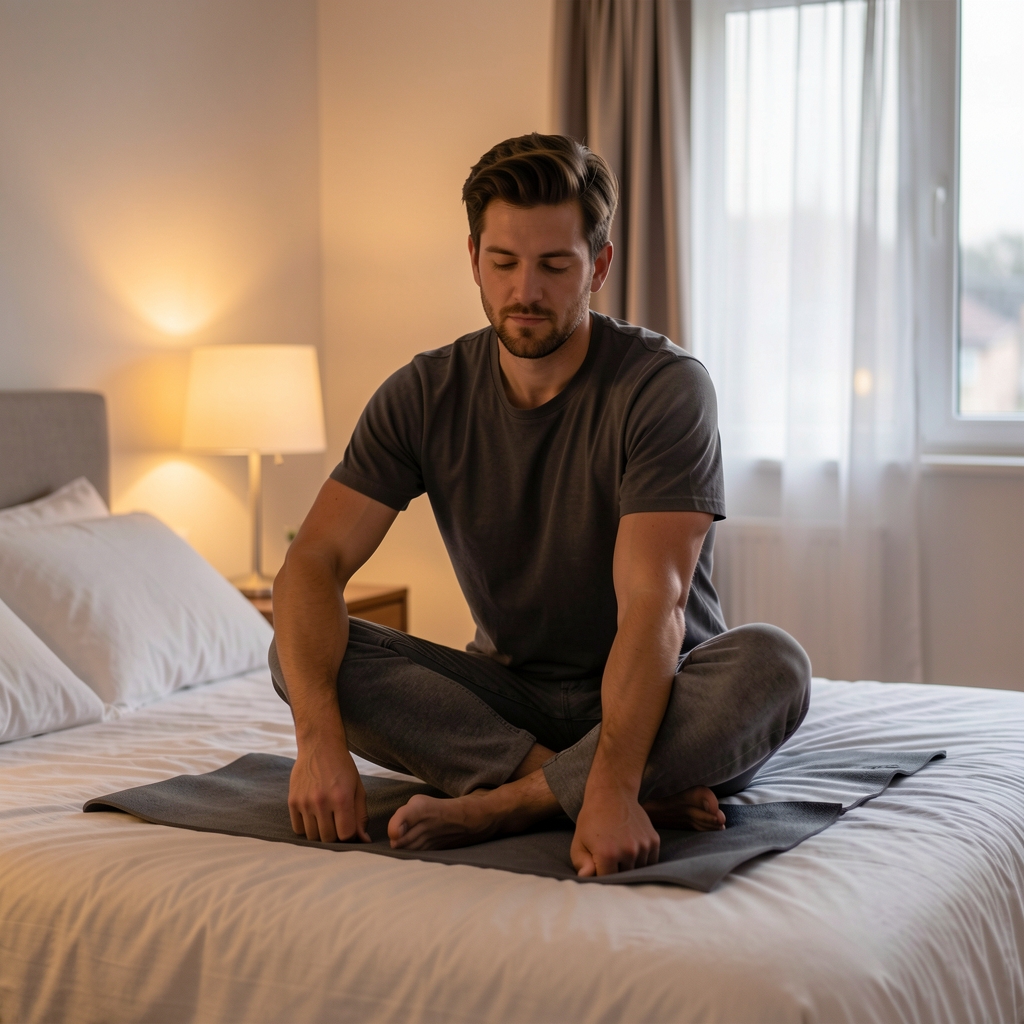
Recovery is broader than the time spent away from formal exercise. Sleep, food, hydration, commuting, work pressure and emotional load all influence how a week feels. Klymer uses recovery as a planning lens, not as a promise that every difficult sensation has one explanation.
Look at regularity, duration and how alert you feel, rather than chasing a perfect score.
Regular meals and hydration support ordinary training demands, especially in humid weather.
Count work, commuting and emotional stress alongside formal exercise.
| Area | Useful observation | Planning response |
|---|---|---|
| Sleep | Regularity and next-day alertness | Keep the session familiar or reduce complexity |
| Food and fluids | Meal timing and hot-weather demands | Plan ordinary breaks and water access |
| Workload | Physical, cognitive and emotional pressure | Count the whole day before adding volume |
| Movement | Soreness, comfort and technique | Choose walking, mobility or rest as appropriate |

Unexpected fatigue, persistent soreness, unusual breathlessness or a noticeable change in wellbeing are reasons to pause and seek appropriate professional guidance. A lighter day can protect consistency. The practical decision may be to shorten the session, change the movement or take a complete rest day.
Recovery is information, not a character judgment.
A short note can help reveal that a challenging week came from several modest demands rather than one session. Keep the record private, use neutral language and avoid comparing your routine with someone else's circumstances.
Read the sleep deskRest can mean no formal training, while gentle everyday movement may still fit. The right choice depends on context and how the person is feeling.
Look for a pattern, consider the whole week and use appropriate professional guidance when an unusual concern persists.
Yes, by protecting sleep opportunity, scheduling realistic sessions and leaving space for changes.