Push And Pull
Balance pressing with rowing and keep the shoulder comfortable.
Strength Desk
Technique, patience and appropriate resistance create useful capacity.

Strength training is a practice of organising force, attention and recovery. The load is only one part of the picture; range, breathing, tempo, rest and confidence also shape the session. After 35, a useful approach often leaves room for work, travel and changing energy.
Balance pressing with rowing and keep the shoulder comfortable.
Learn how hips, knees and trunk share the work.
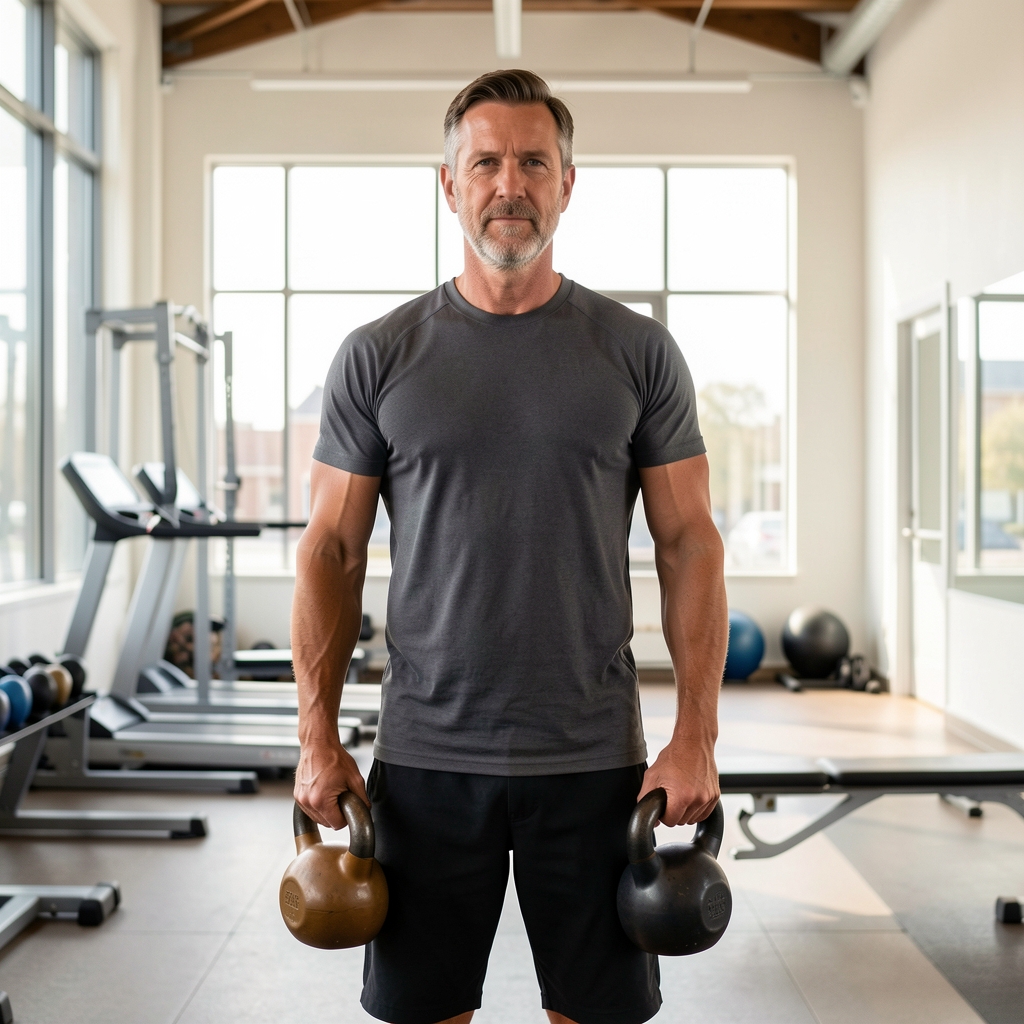
Use simple carries to connect grip, walking and trunk control.
| Question | Why it matters | What to observe |
|---|---|---|
| Can you breathe steadily? | It helps keep effort interpretable. | Breathing and pauses |
| Is the range controlled? | Control makes progression clearer. | Start, middle and finish |
| Can you recover? | Repeatability protects the week. | Next-day energy and soreness |
“A strong practice is one that can remain thoughtful when the day is not ideal.”
Use the table as a conversation starter, not as a pass-or-fail test. If a movement creates unusual or persistent discomfort, pause and seek suitable guidance.
No. A range of efforts can support practice, technique and recovery.
There is no universal timetable. Consider control, context and the ability to repeat the work.
Yes. Body position, range, tempo and leverage can alter the challenge without adding equipment.